
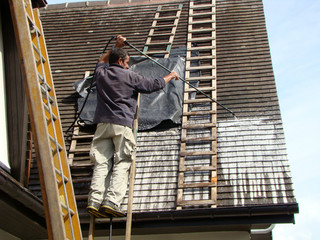
Severe weather events can wreak havoc on residential roofing systems, causing damage that ranges from minor cosmetic issues to catastrophic structural failures. Understanding how to identify, document, and address storm damage is crucial for protecting your home and maximizing insurance coverage. This comprehensive guide walks you through everything you need to know about storm-related roof damage.
Common Types of Storm Damage
Wind Damage
High winds are one of the most frequent causes of roof damage. Wind can lift shingles, tear off entire sections, or create openings that allow water infiltration. Even winds below hurricane force can cause significant damage, particularly to older roofs or those with pre-existing vulnerabilities.
Signs of wind damage include:
- Missing or displaced shingles
- Lifted shingle edges or corners
- Exposed underlayment or decking
- Granule loss in specific patterns
- Damaged or missing flashing around vents and chimneys
Wind damage often occurs in patterns, with the roof’s edges, corners, and ridge being most vulnerable. Winds create uplift forces that can break the seal between shingles and the roof deck, compromising the entire system’s integrity.
Hail Damage
Hail damage can be deceptive because it’s not always immediately visible from the ground. Large hailstones create impact marks that weaken shingles, reducing their lifespan and effectiveness even if they don’t cause immediate leaks.
Hail damage indicators:
- Circular impact marks or bruises on shingles
- Loss of granules in concentrated areas
- Cracked or fractured shingles
- Dented metal components (vents, flashing, gutters)
- Damaged or cracked skylights
The severity of hail damage depends on several factors: hailstone size, wind speed during the storm, hail density, and the age and quality of your roofing materials. Even relatively small hail (1-inch diameter) can cause significant damage to asphalt shingles, while larger stones (2+ inches) can penetrate roofing materials entirely.
Heavy Rain and Water Damage
While roofs are designed to shed water, extreme rainfall can overwhelm drainage systems or exploit existing vulnerabilities. Prolonged exposure to standing water can deteriorate roofing materials and lead to interior damage.
Water damage signs:
- Water stains on ceilings or walls
- Sagging areas in the roof deck
- Mold or mildew growth in the attic
- Peeling paint or wallpaper
- Musty odors inside the home
Debris Impact
Falling tree limbs, flying debris, or entire trees can cause immediate and severe damage. Even small branches can puncture shingles or damage flashing, creating entry points for water.
Immediate Post-Storm Actions
1. Safety First
Never inspect your roof during or immediately after a storm. Wait until conditions are safe, and if you suspect structural damage, evacuate the home and contact emergency services. Avoid walking on a potentially damaged roof, as weakened decking could collapse.
2. Document Everything
Before any repairs or cleanup, thoroughly document all damage:
- Take wide-angle photos showing the entire property
- Capture close-up images of specific damage
- Photograph interior damage (water stains, leaks)
- Note the date, time, and weather conditions
- Record video walkthroughs if possible
- Keep receipts for any emergency repairs or temporary protection
This documentation is crucial for insurance claims and helps ensure you receive appropriate coverage.
3. Prevent Further Damage
Your insurance policy typically requires you to take reasonable steps to prevent additional damage. This might include:
- Placing tarps over exposed areas
- Collecting water with buckets
- Moving valuables away from leaks
- Boarding up broken windows or openings
Keep receipts for materials and labor used for emergency protection, as these are often reimbursable through your insurance claim.
4. Contact Your Insurance Company
Report the damage to your insurance company as soon as possible. Most policies have time limits for filing claims, and prompt reporting demonstrates diligence. Provide your documentation and be prepared to answer questions about the damage and its cause.
Professional Inspection and Assessment
While homeowners can identify obvious damage, many storm-related issues aren’t visible from the ground. A professional roofing inspection provides a comprehensive assessment of your roof’s condition and identifies hidden damage that could lead to future problems.
Professional inspectors examine:
- Shingle condition and attachment
- Flashing integrity
- Ventilation systems
- Underlayment exposure
- Structural components
- Drainage systems
- Interior signs of water intrusion
Many reputable roofing companies offer free storm damage inspections. For instance, this Springdale roofing contractor provides complimentary assessments to help homeowners understand the extent of damage and necessary repairs. These inspections are particularly valuable when preparing insurance claims, as contractors can provide detailed reports and estimates that support your case.
Working with Insurance Adjusters
Insurance adjusters evaluate damage to determine coverage and claim amounts. Understanding this process helps you advocate for fair treatment:
Before the Adjuster Arrives
- Compile all documentation (photos, videos, receipts)
- Review your policy to understand coverage limits and deductibles
- Prepare a list of damaged items and areas
- Consider having your roofing contractor present during the inspection
During the Inspection
- Point out all damaged areas
- Ask questions about coverage and the claims process
- Take notes on the adjuster’s findings
- Request a copy of the inspection report
After the Inspection
- Review the adjuster’s estimate carefully
- Compare it with your contractor’s assessment
- Request clarification on any discrepancies
- Understand your right to dispute inadequate settlements
Repair vs. Replacement Decisions
Not all storm damage requires complete roof replacement. The appropriate solution depends on several factors:
Repair is suitable when:
- Damage is localized to a small area
- The roof is relatively new (under 10 years)
- Surrounding shingles are in good condition
- Repairs can restore full functionality
Replacement is necessary when:
- Damage is widespread across the roof
- The roof is near the end of its expected lifespan
- Multiple areas show deterioration
- Structural damage is present
- Repairs would cost more than 50% of replacement
Insurance companies typically cover replacement when damage exceeds certain thresholds, often around 40-50% of the roof’s surface area.
Choosing a Storm Damage Specialist
After severe weather, homeowners are often approached by “storm chasers”—contractors who travel from storm to storm soliciting business. While some are legitimate, many are unlicensed, uninsured, or provide substandard work before disappearing.
Red flags to avoid:
- Unsolicited door-to-door sales
- Pressure to sign contracts immediately
- Offers to waive insurance deductibles
- Requests for full payment upfront
- Out-of-state contractors with no local presence
- Lack of proper licensing or insurance
Choose contractors who:
- Are locally established with verifiable references
- Carry proper licensing and insurance
- Provide detailed written estimates
- Offer manufacturer certifications
- Have positive reviews and BBB ratings
- Explain the process clearly without pressure tactics
Preventive Measures for Future Storms
While you can’t prevent storms, you can minimize their impact:
Regular Maintenance:
- Annual professional inspections
- Prompt repair of minor damage
- Keep gutters clean and functional
- Trim overhanging tree branches
- Replace aging materials before failure
Upgrades and Improvements:
- Install impact-resistant shingles
- Upgrade to stronger roof-to-wall connections
- Ensure proper attic ventilation
- Add secondary water barriers in vulnerable areas
- Consider metal roofing for maximum durability
Emergency Preparedness:
- Keep tarps and emergency supplies on hand
- Know how to shut off utilities if needed
- Maintain current insurance coverage
- Document your roof’s condition regularly
- Establish a relationship with a trusted contractor before emergencies arise
Understanding Your Insurance Coverage
Most homeowners insurance policies cover storm damage, but understanding the specifics prevents surprises:
Typically Covered:
- Wind damage from storms
- Hail damage
- Falling objects (trees, debris)
- Water damage resulting from covered perils
Typically Not Covered:
- Normal wear and tear
- Lack of maintenance
- Cosmetic damage that doesn’t affect function
- Damage from floods (requires separate flood insurance)
Review your policy annually and consider increasing coverage if your roof is aging or if you’ve made significant home improvements.
The Claims Process Timeline
Understanding the typical timeline helps set realistic expectations:
- Immediate (Day 1-3): Report damage, document, and take protective measures
- Week 1-2: Insurance adjuster inspection and initial assessment
- Week 2-4: Receive claim decision and settlement offer
- Week 3-6: Negotiate if necessary, finalize claim
- Week 4-8: Schedule and complete repairs or replacement
- Week 8-10: Final inspection and claim closure
Timelines vary based on storm severity, insurance company workload, and contractor availability. Major disasters affecting entire regions can extend these timeframes significantly.
Conclusion
Storm damage to your roof requires prompt attention and informed decision-making. By understanding the types of damage, taking appropriate immediate actions, working effectively with insurance companies, and choosing qualified contractors, you can restore your roof’s integrity and protect your home for years to come.
Remember that professional assessment is crucial—what appears minor from the ground may indicate significant underlying damage. Don’t hesitate to seek expert opinions and advocate for proper repairs or replacement when necessary. Your roof is your home’s first line of defense against the elements, and ensuring its integrity after storm damage is an investment in your property’s long-term value and your family’s safety.
About the Author: This article was written by roofing industry professionals specializing in storm damage assessment and insurance claim assistance, with extensive experience helping homeowners navigate the recovery process after severe weather events.